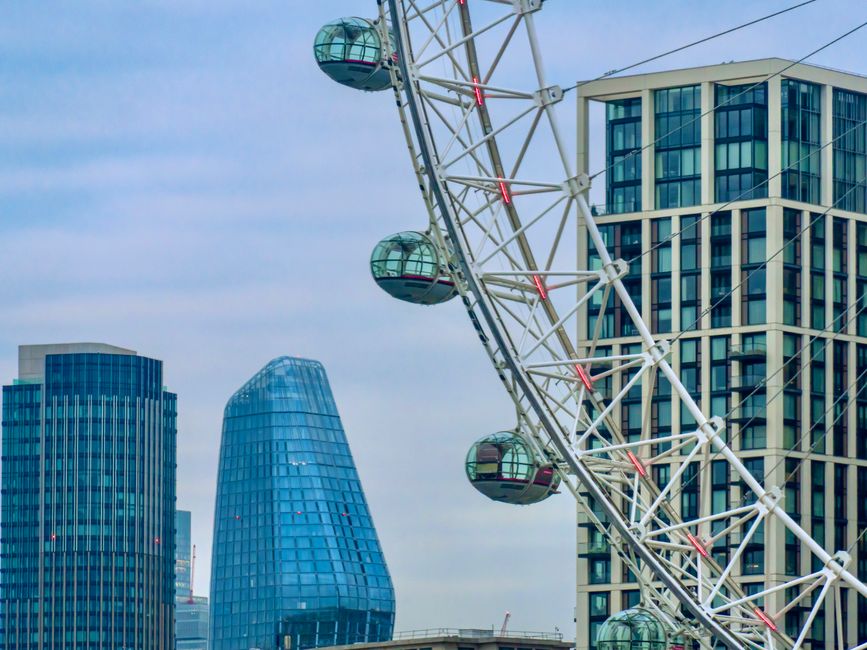
Rubbish removal for London Eye events Waterloo: a practical guide for smooth event clean-up
If you are planning rubbish removal for London Eye events Waterloo, you already know this is not your average clear-out. Events in this part of London can create a surprising amount of waste in a short space of time: packaging, cups, food waste, signage, cable ties, broken display materials, and the awkward bits that never seem to fit neatly into one bag. And because the area is busy, highly visible, and often time-sensitive, the clean-up needs to be calm, efficient, and properly organised.
This guide walks through how event rubbish removal typically works around Waterloo and the South Bank, why it matters, what to watch out for, and how to plan a cleaner handover before the last guest leaves. It is written for organisers, venue teams, caterers, exhibitors, production crews, and anyone who has ever looked at a half-full skip and thought, well, that escalated quickly.
For broader waste support across the area, you may also find our waste removal service useful, especially if your event generates mixed waste streams that need quick, tidy handling.
Contents
- Why rubbish removal for London Eye events Waterloo matters
- How rubbish removal for London Eye events Waterloo works
- Key benefits and practical advantages
- Who this is for and when it makes sense
- Step-by-step guidance
- Expert tips for better results
- Common mistakes to avoid
- Tools, resources and recommendations
- Law, compliance, standards, and best practice
- Options, methods, and comparison table
- Case study or real-world example
- Practical checklist
- Conclusion
- Frequently asked questions
Why Rubbish removal for London Eye events Waterloo Matters
The London Eye and Waterloo area are not just busy; they are busy in a very layered way. You have foot traffic, visitor flow, transport movement, nearby businesses, and often event schedules that overlap with each other. That means waste cannot be treated as an afterthought. It has to be managed with the same care as arrivals, branding, security, and guest experience.
When rubbish removal is poorly handled, the effects show up fast. Bags get left in the wrong place. Cardboard accumulates beside service entrances. Staff waste time moving items twice. Delivery routes get blocked. And if your event is public-facing, a tidy-looking venue can suddenly look messy within minutes if waste staging is not thought through properly.
There is also a reputational issue. Around a landmark like the London Eye, people notice clutter. They notice overflowing bins. They notice when crews are dragging waste through guest areas at the wrong moment. In truth, a clean-out plan says a lot about the professionalism of the whole event. You do not need a perfect setup. You just need a sensible one that holds up under pressure.
For event organisers, the biggest value is simple: good waste handling reduces stress. It protects the venue. It helps keep staff focused. It makes the final handover less frantic. And yes, it usually makes the whole day feel a bit more under control, which is worth a lot when the clock is ticking.
If your event is linked to a wider business operation, you may also want to look at business waste removal for recurring or commercial waste streams that sit alongside event clean-up.
How Rubbish removal for London Eye events Waterloo Works
In practical terms, event rubbish removal is a structured collection and clearance process. The exact setup depends on the size of the event, the venue rules, access points, and the types of materials involved. A small networking reception will look very different from a product launch, public activation, corporate hospitality event, or multi-day exhibition.
Usually, the process begins before the event itself. You identify what waste is likely to be produced, where it will build up, and how it will be moved out without interrupting guests or staff. That might mean placing temporary bins in service areas, setting up labelled sacks for recyclables, or arranging a crew to return immediately after breakdown. Sounds simple, but the difference between a smooth event and a messy one often comes down to this planning stage.
During the event, waste should be collected regularly rather than left to pile up. This is especially useful for food service areas, merchandise stands, and staff-only zones. Nobody wants to navigate a corridor lined with cardboard and half-collapsed boxes. Not glamorous, but there it is.
After the event, the removal team sorts the waste according to the load type and access constraints. Mixed rubbish, recyclable cardboard, packaging, furniture, leftover display materials, and general event debris may all need separate handling. If there are bulky items, they are usually removed first so that smaller waste can be cleared safely and quickly.
For organisers dealing with office-based setups before or after an event, office clearance can also be relevant if temporary staging areas, pop-up admin spaces, or back-office rooms need clearing.
Key Benefits and Practical Advantages
There are several clear advantages to handling rubbish removal properly for Waterloo and London Eye events. Some are obvious. Some are easy to underestimate until the day arrives.
- Cleaner guest experience: a tidy event feels more polished and more welcoming.
- Faster breakdown: organised waste separation speeds up the end-of-event clear-down.
- Less staff fatigue: crews spend less time improvising and more time doing their actual jobs.
- Better venue handover: leaving the site as expected can avoid awkward back-and-forth later.
- Reduced clutter in service routes: especially helpful around loading areas and narrow access points.
- More efficient recycling: separating cardboard, plastics, and reusable materials is much easier when planned in advance.
- Lower risk of cross-contamination: food waste and general rubbish should not be mixed if you can avoid it.
There is also a softer benefit: confidence. When everyone knows where the waste is going, the event tends to feel more settled. One team can focus on guests. Another can focus on logistics. Nobody is standing around asking whose bag is whose. A small thing, but it matters.
For situations where bulky items are part of the problem, such as leftover furniture, staging pieces, or temporary installations, furniture disposal can be a sensible companion service. If the pieces are still usable, furniture clearance may be the more appropriate route.
Who This Is For and When It Makes Sense
This kind of rubbish removal is not only for large festivals or public events. It is useful for a wide mix of situations around the London Eye and Waterloo.
- Event organisers managing one-off or recurring gatherings
- Caterers and hospitality teams with heavy packaging or food waste
- Production companies setting up temporary structures or props
- Venue managers who need reliable pre- and post-event clear-ups
- Exhibitors and brand teams with stands, displays, and printed materials
- Business teams hosting conferences, launches, or stakeholder events nearby
- Property teams clearing spaces after pop-ups or short-term activations
It makes sense when waste volumes are likely to be higher than normal, when time windows are tight, or when the site has tricky access. Waterloo is not the kind of place where you want to discover at 9:40 p.m. that ten bags of packaging have nowhere sensible to go. That is the moment when a plan becomes very, very useful.
If the event uses a temporary office base, press room, or production office, a bit of home clearance or house clearance-style logic can sometimes help too, especially when you are clearing mixed contents from a temporary setup rather than a standard commercial site. Oddly enough, the same tidy principles apply.
Step-by-Step Guidance
Here is a sensible way to plan rubbish removal for London Eye events Waterloo without making it more complicated than it needs to be.
- Estimate the waste types. Think through likely waste streams: food waste, drinks packaging, cardboard, promotional material, pallets, broken items, and mixed rubbish.
- Map access and timing. Know where waste will be collected, which doors or service routes will be used, and when removal can happen without disrupting the event.
- Separate waste where possible. Label sacks, bins, or cages so staff are not guessing in the middle of a busy shift.
- Keep a staging area tidy. Choose one out-of-sight or low-traffic zone where waste can be gathered safely.
- Schedule removal early enough. Don't leave everything for the last ten minutes. That is how things get rushed and messy.
- Clear bulky items first. Large items make movement harder, so remove them before dealing with smaller sacks and loose waste.
- Do a final sweep. Check behind barriers, under tables, beside loading doors, and around temporary storage areas.
A small real-world example: if you are running a sponsor event with boxed brochures, branded displays, and catering waste, the printed material may look harmless at first. But once the boxes are opened and flattened, you suddenly have a cardboard mountain. It happens fast. Better to plan for it than to discover it while the venue clock is already winding down.
If you are dealing with debris from temporary build elements, scenic boards, or minor fit-out work connected to the event, builders waste clearance can be relevant too. That is especially true when there are offcuts, packaging, and construction-style waste mixed in with event debris.
Expert Tips for Better Results
After working around busy clear-out situations, a few patterns become obvious. The best results usually come from small decisions made early.
1. Put waste points where staff naturally pass. If bins are tucked away too far from the action, people simply will not use them properly. They will leave a bottle on a table or a box by the wall. Human nature, really.
2. Keep mixed waste to a minimum. The more you mix materials, the harder disposal becomes. Cardboard, food, general litter, and bulky items all behave differently in practice.
3. Build in a buffer. Events nearly always create a bit more waste than expected. A spare zone or extra bags can save a scramble later.
4. Brief the team early. Even a short five-minute briefing helps. If people know where waste goes, they tend to do it properly.
5. Protect the route out. The path to collection should stay clear. It sounds obvious, but a stack of cases or a stray banner stand can ruin the flow.
6. Think about what can be reused. Not everything is rubbish. Some materials can be stored, re-used, or repurposed for the next event. That is good for cost control and sustainability.
For recurring event operations, you may also want to review recycling and sustainability guidance so that disposal choices are not just fast, but sensible.
Common Mistakes to Avoid
Most event waste problems are not dramatic. They are just annoying, and often avoidable.
- Leaving waste planning until after set-up: by then, the layout is already fixed.
- Using too few bins or sacks: a shortage creates bottlenecks straight away.
- Ignoring bulky waste: one awkward item can slow down an entire clear-out.
- Mixing recyclable and general waste: this makes sorting harder later.
- Forgetting the final sweep: little items get missed under tables and behind signage.
- Blocking access routes: waste should never sit in the way of people moving safely.
- Assuming the venue will handle everything: responsibilities are best agreed clearly in advance.
A common one is underestimating "small" waste. Ten empty catering trays do not feel like much. Add packaging, bottle waste, and dismantled display material, and suddenly you have a real volume issue. It sneaks up on you.
For event organisers who need flexibility around temporary storage, overflow zones, or vehicle access, garage clearance can be surprisingly relevant as a problem-solving example: it is often about clearing a confined space efficiently, which is exactly what some event back-of-house areas become.
Tools, Resources and Recommendations
You do not need a complex toolkit, but the right basics make the job much easier.
- Clearly labelled waste sacks for general rubbish, recyclables, and food waste
- Durable bin liners that can handle sharp packaging edges and damp waste
- Flat-pack trolleys or dollies for moving sacks and boxes safely
- Barriers or cones to protect waste staging areas
- Gloves and sensible PPE for crews handling mixed waste
- Clipboards or checklists to track what has been cleared
- Spare boxes and ties for loose materials that are awkward to bundle
One of the simplest recommendations is to keep a "last-hour waste kit" ready. That might be spare sacks, tape, gloves, wipes, and a marker pen. Nothing flashy. But when the event finishes and the room looks like a cross between a dinner service and a paper factory, those basics suddenly feel brilliant.
If your event produces a lot of temporary paperwork, brochures, or back-office clutter, flat clearance can also be a useful comparison point because it involves sorting compact, mixed contents from a lived-in or heavily used space. Different setting, similar need for order.
Law, Compliance, Standards, and Best Practice
With event waste in London, compliance is mostly about doing the basics properly and not cutting corners. Exact duties depend on the event type, the site, the materials produced, and who is responsible for them. So it is always worth agreeing responsibilities clearly before the day of the event.
In general, good practice includes:
- keeping waste contained so it does not create a hazard
- separating recyclable materials where practical
- using appropriately licensed and insured waste handlers where required
- avoiding fly-tipping or leaving materials in unauthorised areas
- making sure staff understand who is handling what
- storing waste safely until collection
Health and safety matters too. Bags can be heavy. Boxes can have sharp edges. Wet floors around food waste areas are a real slip risk. So the boring stuff is actually the important stuff. Gloves, lifting care, tidy routes, and clean staging areas all reduce avoidable problems.
It also helps to review the venue's own rules and your contractor's operating standards. If there is any doubt about responsibilities, ask early. That is not being fussy; it is being sensible.
For general safety expectations and operational reassurance, you can also review the company's health and safety policy and insurance and safety information, which are useful markers of a careful, responsible approach.
Options, Methods, and Comparison Table
There is more than one way to handle event waste. The right option depends on speed, volume, site access, and how much sorting you want to do on-site.
| Method | Best for | Strengths | Limitations |
|---|---|---|---|
| Ad hoc bag-and-bin clear-out | Very small events | Simple, low setup, quick for minimal waste | Gets messy fast if waste volume grows |
| Scheduled same-day collection | Medium events and hospitality | Balanced, efficient, reduces build-up during the event | Needs solid timing and access coordination |
| Post-event full clearance | Breakdowns and larger installations | Handles bulky items, mixed rubbish, and final sweeps well | Requires more planning and a clear handover window |
| Separated waste streams | Events with strong recycling goals | Easier to sort, cleaner disposal process, better material recovery | Needs better labelling and staff cooperation |
To be fair, most real events end up using a mix of methods. A hospitality event might use live bag collection during service, then a full final sweep after guests leave. A launch event with a lot of printed material may need cardboard separated from mixed waste. There is no magic formula. Just a sensible fit for the site.
Case Study or Real-World Example
Imagine a corporate event close to the London Eye with a reception area, a small stage, catering tables, and a branded display zone. The team arrives early, builds out the space, and everything looks sharp by late afternoon. Then the event starts. Boxes disappear, trays pile up, packaging gets opened, and the backstage area slowly turns into a jumble of cardboard, tape, and empty containers.
In that kind of scenario, the biggest risk is not the waste itself. It is delay. If nobody has separated the materials or planned the final collection point, the breakdown becomes slower and noisier than it needs to be. Staff start asking where to put things. Someone makes a pile in the wrong corridor. A skip is too far away. The whole thing feels more chaotic than it should.
Now compare that with a better plan. Waste sacks are staged in one service area. Cardboard is flattened as it is created. Food waste is kept apart. Bulky display items are taken down first. A clear-out team arrives once guests have gone, and the site is reset in a controlled sequence. The event ends quietly rather than in a scramble. That difference is huge, even if it looks invisible from outside.
For complex clearances involving temporary rooms or storage overflow after the event, loft clearance can be a useful mental model: confined space, awkward items, and the need to remove everything in the right order.
Practical Checklist
Use this checklist before and after your event. It keeps the whole process grounded.
- Confirm what types of waste the event will create
- Agree where waste will be staged during the event
- Label bins, sacks, or collection points clearly
- Separate cardboard, food waste, and general rubbish where practical
- Keep service routes free of obstructions
- Arrange the collection window in line with breakdown timing
- Make sure anyone handling waste knows the plan
- Check for bulky items that need early removal
- Do a final sweep of hidden corners and under-table spaces
- Confirm the site is left tidy and safe
If the event involves outside space, spill-out areas, or temporary hospitality stands, garden clearance may sound unusual, but the principle can be similar: you are clearing a defined space efficiently without damaging the surrounding area.
Conclusion
Rubbish removal for London Eye events Waterloo is really about control. Control of timing, control of space, and control of how the event feels when everything is winding down. The better the plan, the less stressful the end of the day becomes. You do not need to overcomplicate it. You just need a tidy process, the right access, and people who know what goes where.
Whether you are arranging a one-off activation or a recurring event programme, a proper waste strategy helps you keep standards high and avoid those last-minute scrambles that everyone remembers a bit too well. And if you have ever watched a beautifully staged event turn into a pile of flattened boxes in fifteen minutes flat, you will know exactly why this matters.
Get a free quote today and see how much you can save.
Small steps make the difference. A clear route, a clear plan, and a clear finish. That is usually enough to turn a messy ending into a smooth one.
Frequently Asked Questions
What does rubbish removal for London Eye events Waterloo usually include?
It typically includes the collection and disposal of event waste such as packaging, food waste, cardboard, mixed rubbish, broken display items, and bulky materials left after breakdown. The exact scope depends on the event type and access arrangements.
How far in advance should I arrange event rubbish removal?
As early as you can, ideally during event planning. That gives you time to think through waste types, access, and the best collection window. Leaving it until the final day often creates avoidable stress.
Can rubbish be removed during the event, or only after it ends?
Both are possible. For larger or busier events, live waste collection during service can stop bins and staging areas from overflowing. A final post-event clearance is usually needed as well.
What types of waste are most common at Waterloo events?
Cardboard, food and drink waste, packaging, promotional materials, plastic wrapping, tape, and temporary event fixtures are all common. Some events also produce bulky rubbish from set-up or breakdown.
Do I need to separate recyclable waste from general rubbish?
Where practical, yes. Separate streams usually make disposal cleaner and more efficient. It also helps if your event has sustainability targets or venue requirements around recycling.
What happens if the event has bulky items like displays or furniture?
Those items should be identified early so they can be removed first or handled separately. Depending on the material, services such as furniture disposal or furniture clearance may be relevant.
Is rubbish removal suitable for small private events too?
Yes. Small events can still produce more waste than expected, especially if there is catering or a lot of packaging. A simple removal plan can save a lot of time at the end.
How do I make sure waste does not block guest areas?
Use a dedicated staging area away from main footfall, and keep that route clear. Staff should know exactly where waste goes so it does not get left in hallways or by exits.
What should I ask a waste removal provider before booking?
Ask about access needs, timing, the type of waste they can handle, whether sorting is required, and how final clearance will be managed. It is also sensible to ask about their safety approach and insurance.
How can I keep event waste removal more efficient?
Label bins clearly, flatten cardboard as you go, brief staff before the event starts, and keep a final sweep on the schedule. Efficiency usually comes from simple habits rather than fancy equipment.
What if my event also creates office-style clutter or back-room waste?
That is common. Temporary workspaces, press rooms, and admin areas often generate paper, packaging, and unwanted items. In those cases, office clearance or broader waste removal support can be useful.
Are there safety concerns with event rubbish removal?
Yes, especially around lifting, slips, sharp edges, and blocked access routes. Good practice includes using gloves, keeping waste contained, and making sure the collection path is clear and well managed.
If you are comparing service options or planning a more complex clearance, you may also want to explore pricing and quotes, which can help you understand how different types of work are usually scoped. For background on the team and approach, see about us. And if you want to understand how your data is handled while making an enquiry, the privacy policy is available as well.